Dormant limited companies in the UK: tax implications & rules
If you're currently running a UK based limited company, there might be times when you consider stopping trading for a period, but you don't want to close your company completely. Regardless of whether you're taking a break, planning your next professional move, or restructuring, making your company dormant can offer a practical solution.
Putting your limited company into dormancy does come with its own set of rules. From HMRC rules to Companies House obligations, it's important to understand what you need to do, to ensure you're remaining compliant.
This blog explores what a dormant company is, when it might make sense to put yours into dormancy, and how to manage the process efficiently and compliantly.
Key takeaways
- If your company is dormant, it cannot have any significant accounting transactions throughout the financial year
- You're only able to ever file a dormant company's accounts if it has never traded
- You'll still need to file a confirmation statement annually
- By informing HMRC of your plans it might reduce your filing requirements, but optional filings can be beneficial
- If you choose to close your VAT and PAYE schemes it can reduce the amount of admin and ongoing obligations
What is a dormant limited company?
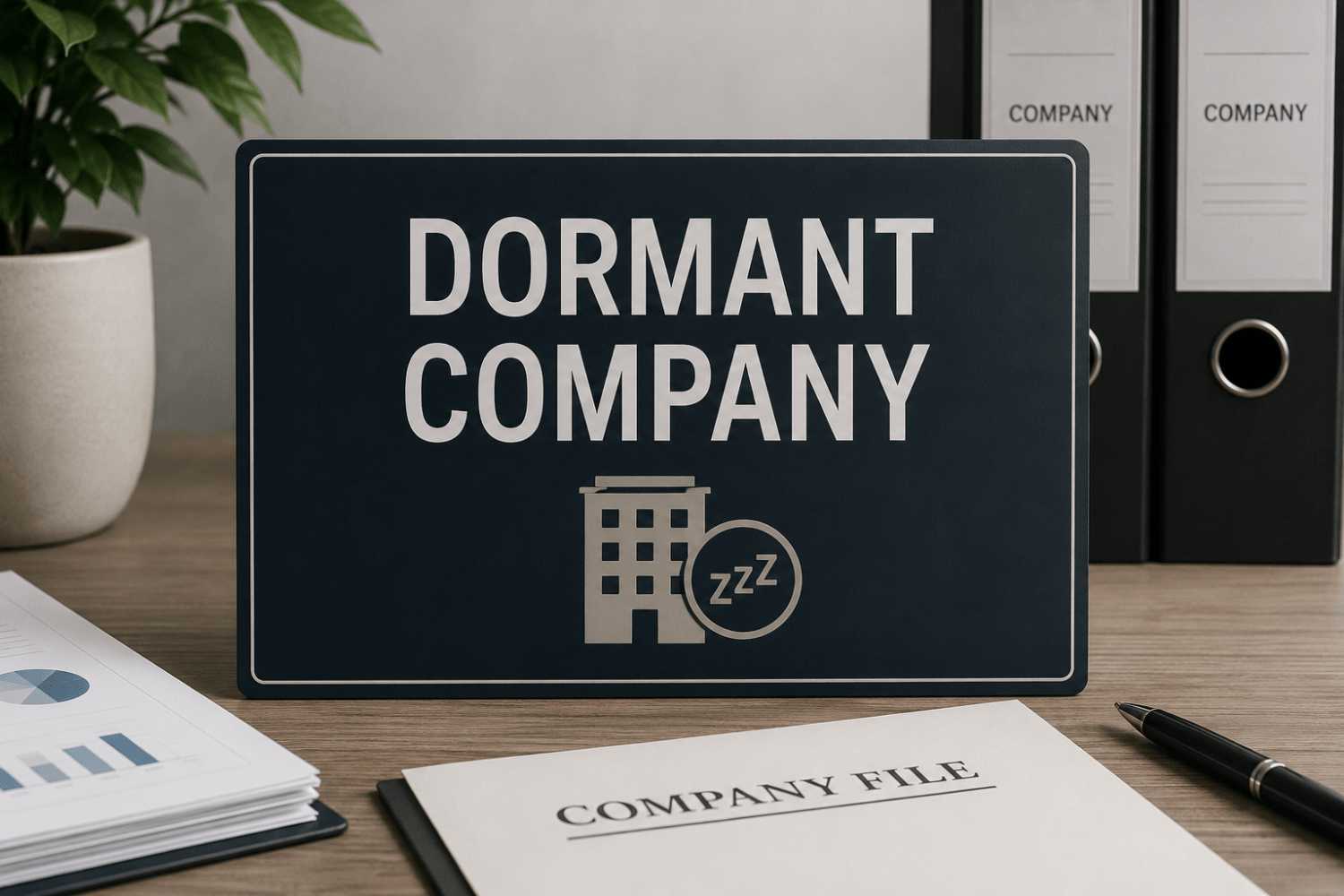
A dormant limited company is a company that hasn't had any significant accounting transactions during its financial year. This may apply to those business owners who have paused trading, or for those companies that have been set up for future plans.
Can you file dormant company accounts?
This is an area which can catch directors out.
You can only file for dormancy if your company has never traded since its incorporation, and the only transaction entered into the accounting records will be for its issue of shares. If your company has traded at any point, even if it's now considered inactive, you'll need to continue to file full statutory accounts every year.
You'll also need to continue to submit an annual confirmation statement, that confirms your company's details, including its directors, shareholders, and registered office address.
Aardvark Accounting Client Experience
We've had clients in the past pause trading due to various factors but didn't want to completely lose their company's setup.
By working closely with their Aardvark Client Director, they were able to:
- Maintain full compliance with Companies House
- Avoid any unnecessary HMRC filings
- Keep the flexibility that'll allow them to restart trading whenever they're ready
This process allowed our clients to start trading as soon as possible when new opportunities arose.
Why would you make your company dormant?
Dormancy can be a strategic decision, depending on your personal business goals and strategies.
Whilst you may have your own reasons, common themes for dormancy include:
- Having a break from trading – you might be preparing for maternity / paternity leave, taking a sabbatical, or experiencing an economic slowdown
- Protecting your business' name – you might want to ensure your company's name is protected for future use. By not closing your company you're able to do so
- Restructuring your business – pausing activity whilst reorganising can be a smart move, especially if you're also planning a sale
- Avoiding dissolution – it allows you to legally keep your company active without closing it permanently
Dormancy gives you the breathing space you might need, without the need to start over when you're ready to begin trading again.
HMRC, VAT and PAYE – What you need to know
HMRC requirements
You must inform HMRC as soon as your company is made dormant. You're able to do this by:
- Updating your Corporation Tax account online
- Writing directly to HMRC
- Calling the Corporation Tax helpline
HMRC might then issue you with an exemption from filing a Company Tax Return.
You might still choose to file if:
- You have allowable expenses which are creating a loss
- You need to carry forward your losses to offset future profits
VAT and PAYE: Reduce admin quickly
If you make your company dormant, it's worth considering simplifying your obligations:
VAT – De-register to stop the need for quarterly VAT returns
PAYE – Close your PAYE scheme if you don't have any employees (this includes directors)
Allowable expenses while dormant
Even if your company is dormant, it might still incur running costs, such as:
- Accounting fees
- Bank charges
- Registered office services
- Software subscriptions
If any of the above are valid business expenses, they could create a loss that can be carried forward to offset your future profits. Your Aardvark Client Director can help you with this.
FAQs
Final Thoughts
Putting your company into a dormant state can be positive move, especially if you're looking for a flexible option. But ensuring it's done correctly is important, as blurring the lines between 'non-trading' and 'dormant' can leave you open to problems when it comes to filing requirements and tax efficiency.
If you're considering putting your company into a dormant state or just want to know more about it and your personal circumstances, get in touch with your Aardvark Client Director. If you're not yet an Aardvark Accounting client and would like to find out more, speak to the team today.


Note: All the information and advice in this blog post was correct at the time of writing.